Flow visualisation
Vortex Rings
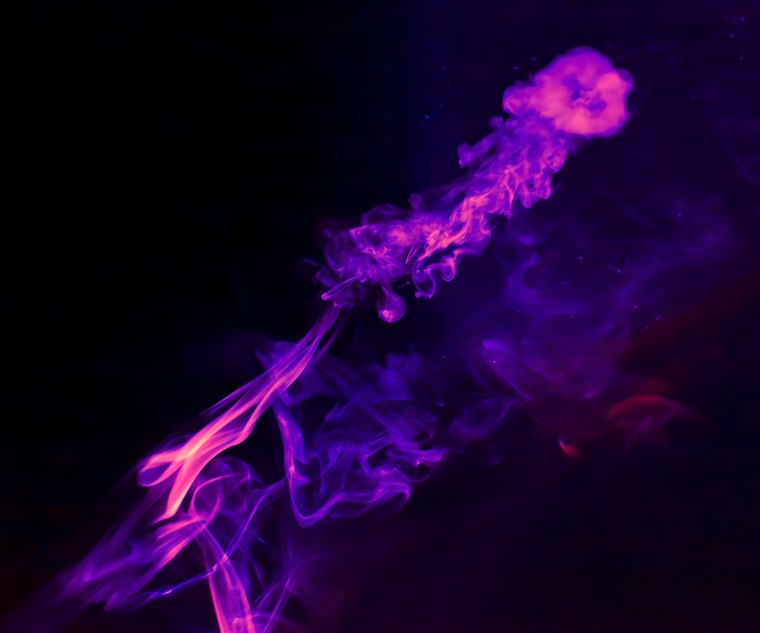
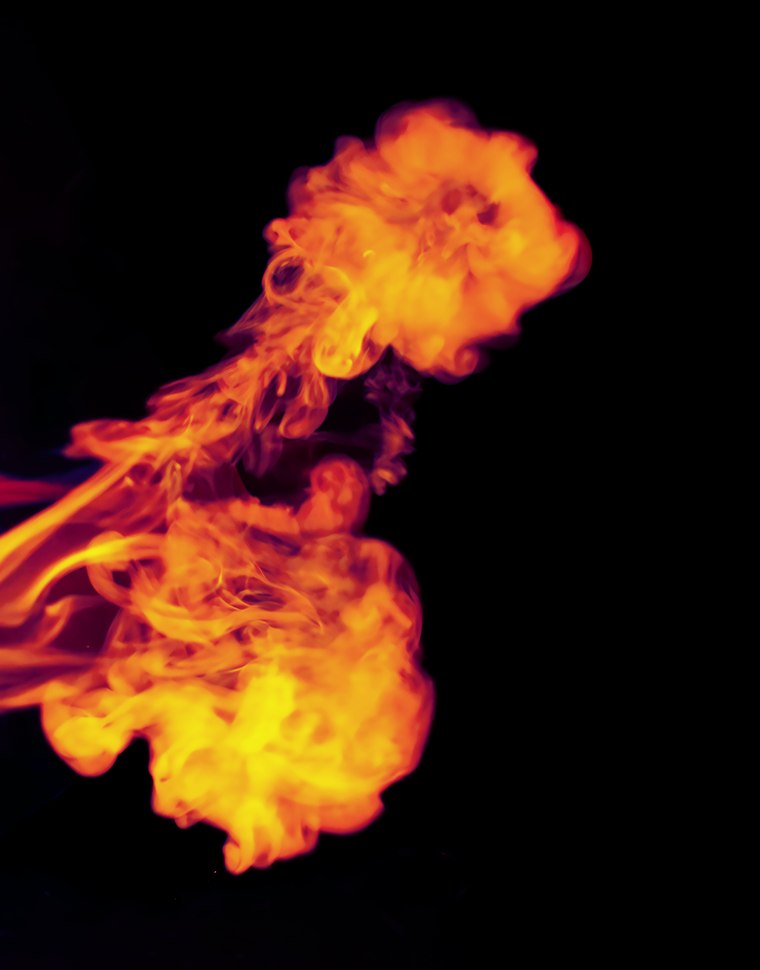
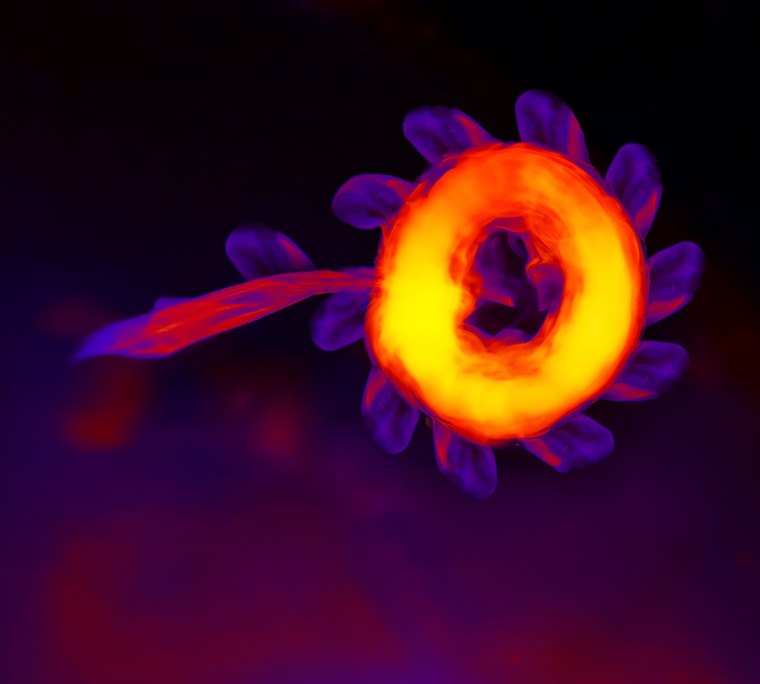
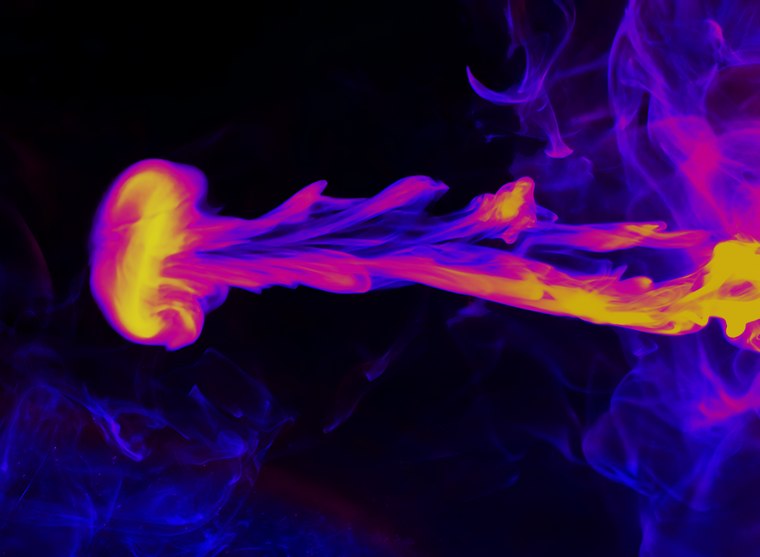
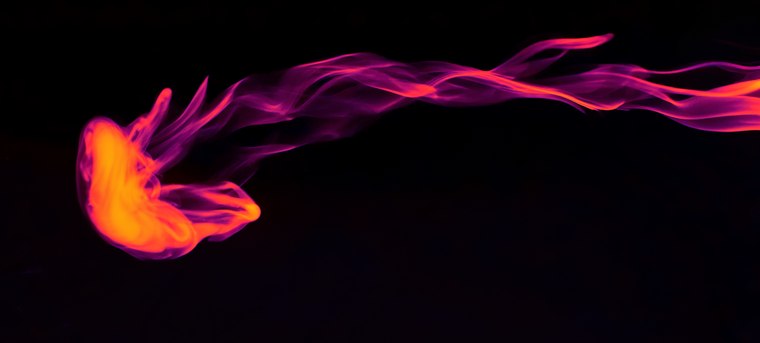
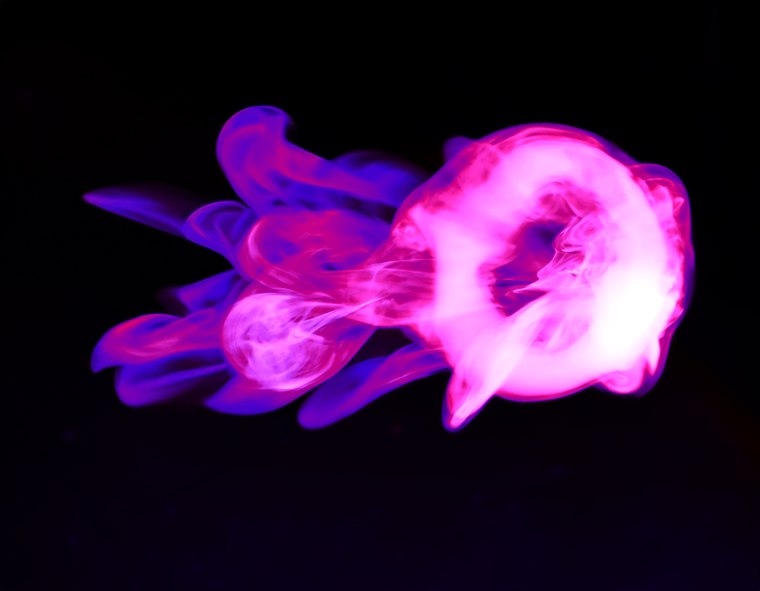
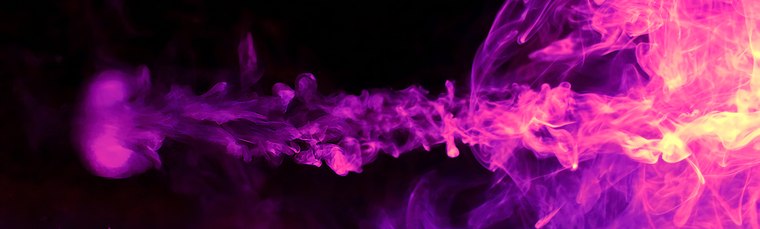
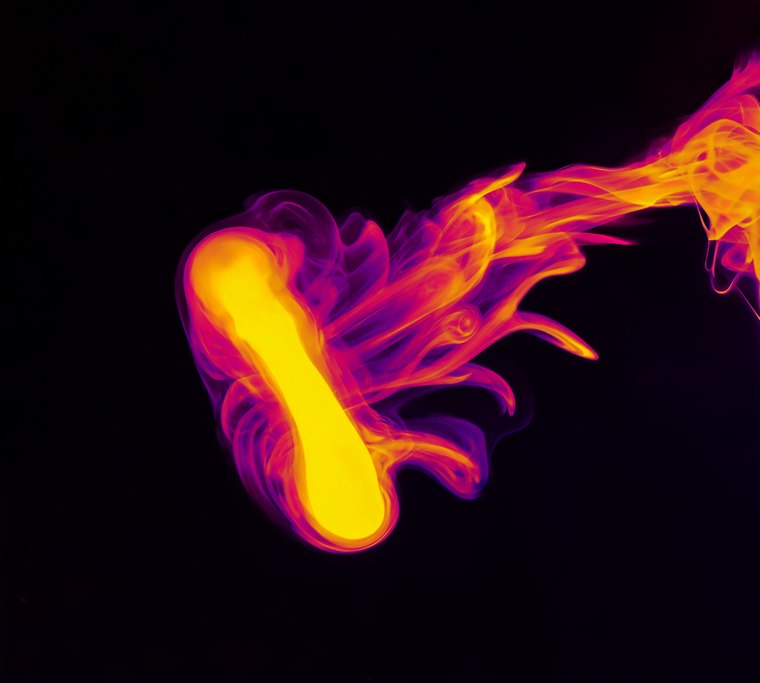
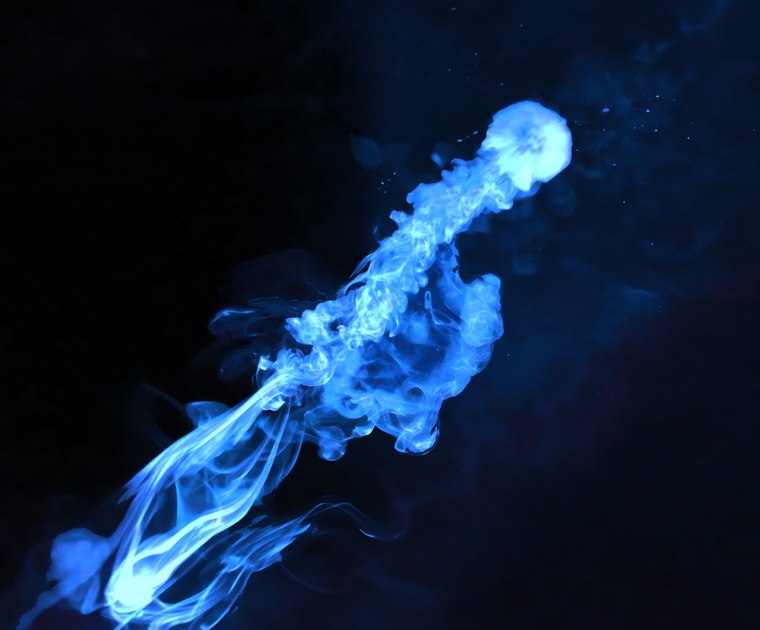
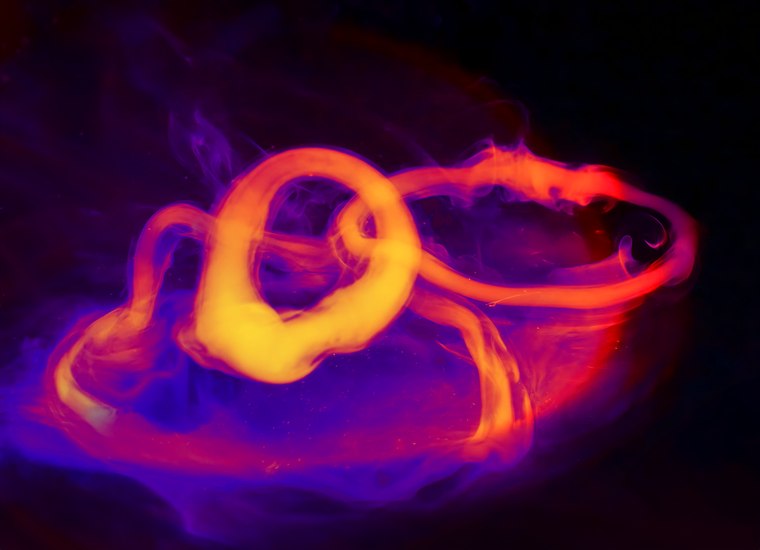
Smoke vortex rings, laminar and turbulent, lit hard against black so the structure survives the exposure.
Context
A vortex ring is a torus of rotating fluid. Its inner edge travels faster than its outer edge, and that difference is what sustains the rotation and carries the whole ring forward through still air.
Every laminar flow is unstable eventually. Past a critical Reynolds number the viscous forces stop holding against the flow's own inertia, the ring loses coherence, and the motion turns turbulent. The photographs worth keeping are almost all at that transition, because a fully stable ring is just a smoke ring and a fully broken one is just a cloud.
Method
A box with one flexible face and a plexiglass orifice, filled from a smoke machine. Striking the flexible face ejects a ring. Lighting is a flood or a laser sheet against black, which is what lets the internal structure survive the exposure rather than reading as one flat silhouette.
The orifice shape was the main variable. It sets how the ring forms and how soon it destabilises, so most of the range across these images comes from changing that rather than from changing the light.
Selected results
The full set